

When temperatures drop, it is hard to do without a good sweater. But with so many materials, cuts and thicknesses available, how do you know which one to choose? Is a cashmere sweater necessarily warmer than a merino wool sweater? Should you go for a chunky knit in winter? And how can you find a style that is as comfortable to wear as it is attractive?
The good news is that there is no single perfect sweater for winter. It all depends on your daily routine, how sensitive you are to the cold and your personal style. To start exploring the options, you can browse our collection of sweaters and cardigans for women. Here are a few tips to help you find the one you will genuinely enjoy wearing, season after season.
Which material should you choose for a winter sweater?
The material is probably the first thing to look at. It affects warmth, feel, comfort and even how your sweater will age over time.
Merino wool: an excellent balance of warmth and comfort
Merino wool is particularly well suited to winter. Its fine fibres provide good thermal insulation while remaining relatively lightweight. It also helps regulate moisture, which makes it comfortable when moving between the outdoors and heated indoor spaces.
Another advantage is that it comes in different thicknesses. A fine merino sweater fits easily under a jacket or coat, while a thicker knit is better suited to colder days.
In terms of style, merino wool works equally well with classic cuts and more relaxed silhouettes.
For an easy everyday option, discover the women's basic merino wool sweater in moss green by Klitmøller, with its round neck and slightly fitted cut.
Cashmere: softness and elegance
Cashmere is valued for its softness and its ability to retain warmth without requiring a particularly thick knit. It is a pleasant material for sweaters worn directly against the skin, provided you are comfortable with the feel of the fibre.
It works especially well with understated, elegant outfits. A cashmere sweater paired with straight-leg trousers or well-cut jeans is often enough to create a refined look.
Cashmere does require a little care. Its delicate fibres can pill in areas exposed to friction, particularly under the arms. Proper care helps preserve its appearance for longer.
What about recycled cashmere?
Recycled cashmere is an interesting alternative to virgin cashmere because it gives already produced fibres a second life. The final quality, however, depends on the yarn and on how the garment is made.
Italian brand Rifò offers, among other styles, the Melissa recycled cashmere sweater in red. Its loose, slightly cropped cut makes it an appealing option for a winter outfit that is both comfortable and polished. You can discover Rifò's collection on Clother.
Organic cotton: ideal for milder days
Unlike wool, cotton is not particularly insulating at the same thickness. It can still be a good option for people who find some types of wool irritating or who want a sweater that is easy to wear indoors.
An organic cotton sweater can work especially well during transitional seasons, on relatively mild winter days or in well-heated environments.
To add softness or warmth, some brands blend cotton with other fibres such as cashmere or wool.
These blends can offer a good compromise depending on the proportions used and the thickness of the knit.
It is worth remembering, however, that organic cotton alone does not guarantee a garment with no environmental impact. Manufacturing quality, durability and length of use still matter.
Which sweater cut should you choose for your style?
A good material is not enough. The cut plays an essential role in both comfort and how easily a sweater fits into the rest of your wardrobe.
The straight-cut sweater: the most versatile
It is a safe choice, especially if you are looking for a garment you can wear both at the office and at the weekend.
A straight round-neck sweater works with almost anything: jeans, tailored trousers or a skirt. Neutral colours such as navy, beige, grey and black make it easy to create multiple combinations.
If you prefer a slightly dressier look, a V-neck can also be a good option, particularly when worn with a shirt.
The oversized sweater: comfortable and relaxed
With its generous proportions, an oversized sweater creates a more relaxed silhouette.
To balance the proportions, you can pair it with straight-leg trousers, fitted jeans or a long skirt. It can also work with wide-leg trousers, provided you pay attention to lengths and volume.
The most important thing is to choose a sweater that has been intentionally designed with an oversized cut, rather than simply buying a standard sweater several sizes too large. The shoulders, sleeves and overall length are designed differently.
Turtlenecks and cardigans: two useful alternatives
A turtleneck is particularly practical when temperatures drop. It covers the neck and can sometimes remove the need for a scarf.
A cardigan, on the other hand, offers greater flexibility. Easy to open or remove, it is ideal if you regularly move between warm and cold environments.
These two styles can complement a winter wardrobe without multiplying sweaters that all serve exactly the same purpose.
How to choose a truly warm sweater?
We often assume that a chunky sweater will automatically be warmer than a fine-knit style. In reality, thickness is only one factor.
The material, the density of the knit and its ability to trap air also play an important role. A fine wool sweater can therefore provide better thermal comfort than a thicker sweater made from a poorly insulating fibre.
When choosing, think first about how you plan to wear it.
For the office or heated indoor spaces, choose a fine or medium-weight knit that is easy to wear under a jacket and easy to combine with a smarter outfit.
For cold days outdoors, look for a more insulating knit, such as merino wool or cashmere. Remember that your coat and the other layers you wear also contribute to keeping you warm.
For versatile everyday use, a medium-weight merino sweater is often a good compromise. It can be worn on its own when temperatures are mild and under a coat in the middle of winter.
Wool remains particularly interesting when warmth and comfort are the priority. To compare the different materials and thicknesses available, you can also browse our selection of sweaters and cardigans for women.
Which sweater colours should you wear this winter?
Good news for anyone who likes colour: winter sweaters do not have to be limited to black and grey.
Brown, burgundy and beige are especially useful shades for autumn and winter outfits. They combine easily with denim, navy, ecru and natural tones.
Burgundy, for example, adds colour without making an outfit difficult to coordinate. A burgundy sweater can be worn with dark denim, grey trousers or a black skirt.
Forest green is also a strong alternative to the usual neutrals, particularly with beige, brown or denim.
That said, the best colour is still the one you enjoy wearing and that works easily with the clothes you already own.
How to recognise a quality sweater?
A quality sweater is not necessarily the most expensive one. A few simple checks can help you assess a garment more accurately before buying it.
Start by checking the composition. The label tells you which fibres are used and in what proportions. A blend is not necessarily a drawback. Different fibres may be combined to achieve a particular texture, elasticity or level of durability.
Then look at the knit. It should be even and appropriate for the intended use. A very loose knit can be an aesthetic choice, but it will generally be more vulnerable to snagging.
Check the finishing. Seams, cuffs, the neckline and the edges of the sweater deserve particular attention. These are often the areas most exposed to wear.
Finally, think about care. A beautiful sweater that you never dare to wear because it feels too delicate may not be the best choice for your everyday life.
How to care for your sweater so it lasts longer
A well-cared-for sweater can stay with you for many seasons.
The first rule is to follow the care instructions on the label. Not all types of wool and not all blends tolerate the same washing methods.
Wool does not necessarily need to be washed after every wear. If it is not stained and has not absorbed odours, airing it out may be enough.
If washing is necessary, use the method recommended by the manufacturer, an appropriate detergent and the correct temperature. For sweaters that require it, drying flat helps prevent the weight of the water from stretching the garment out of shape.
Finally, small pills caused by friction do not automatically mean that a sweater is poor quality. They can often be removed gently with a suitable comb.
With a few simple habits, you can preserve the shape, softness and appearance of your sweaters for longer.
Finding the right sweater for this winter
The best sweater is not necessarily the thickest, the softest or the most fashionable. It is the one that suits your needs, feels good to wear and is something you will genuinely want to reach for again and again.
Merino wool for versatility, recycled cashmere for softness, or a fibre blend for a specific use: every material has its strengths. The key is to choose with a clear understanding of what you are buying, without forgetting style.
At Clother, we select brands that pay close attention to quality, materials and manufacturing conditions, while offering clothes that are genuinely enjoyable to wear.
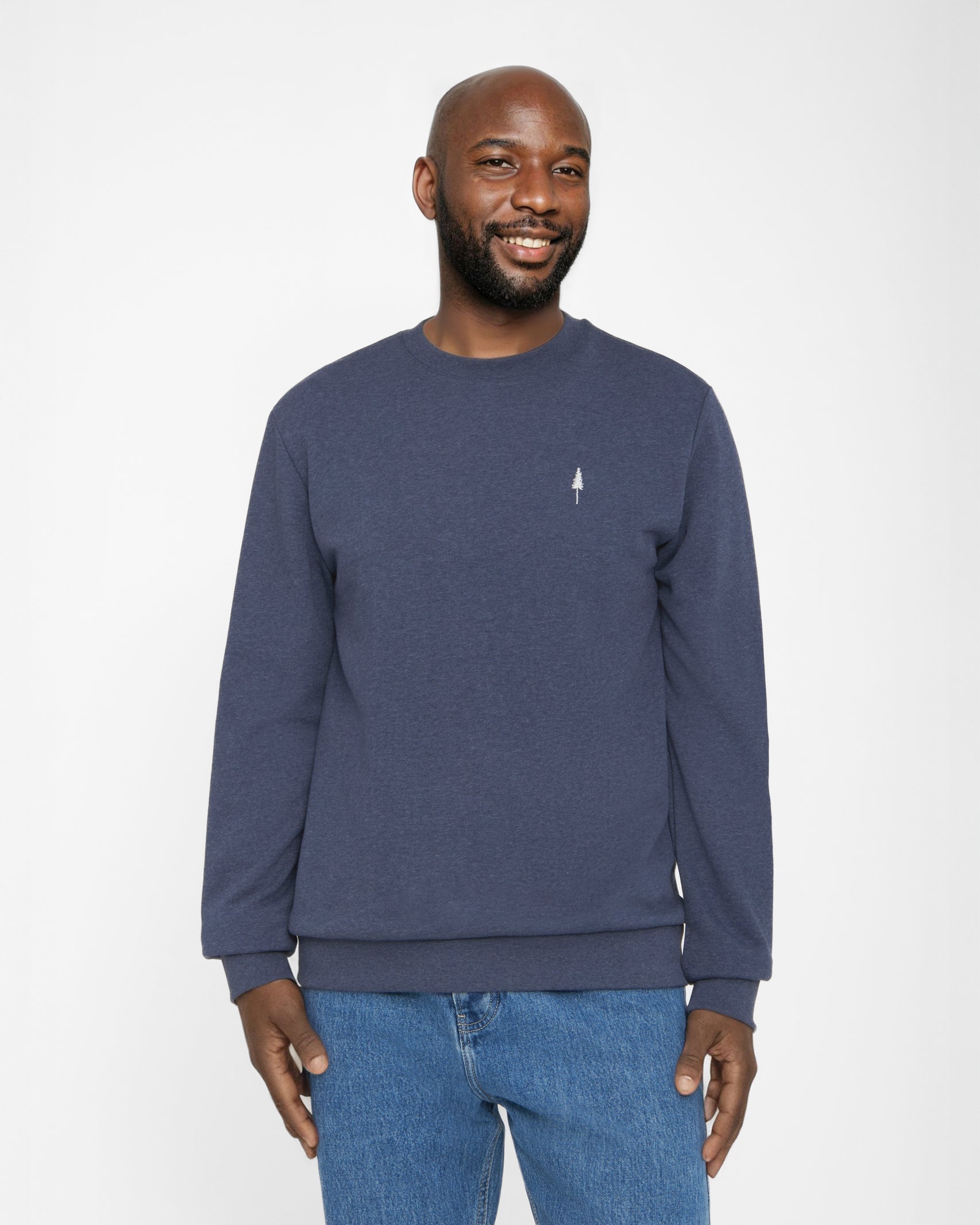
And because these tips do not apply only to women's wardrobes, our collection of sweaters and cardigans for men also includes different materials, cuts and thicknesses to get through the colder season.
Everything you need to stay warm this winter without compromising on style.